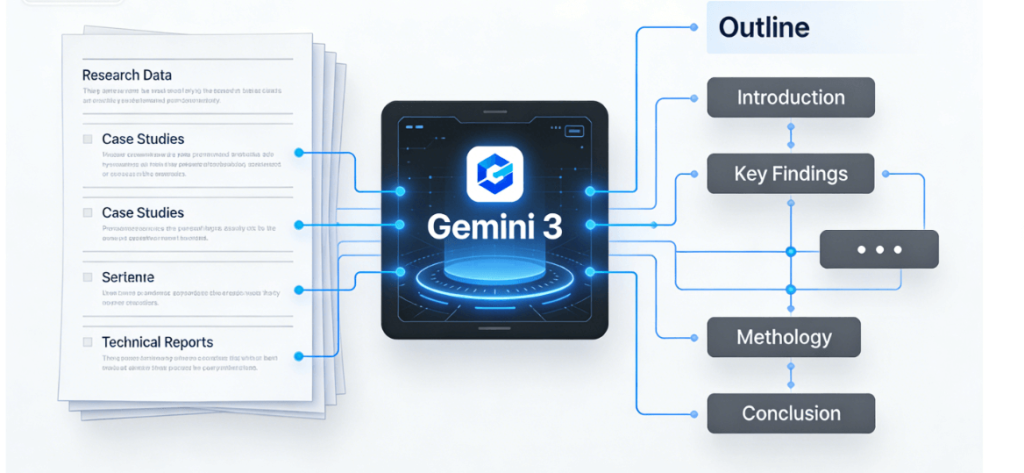
The technological transformation of 2026 will not be driven by a single breakthrough, but by the converging acceleration of multiple frontier technologies. From autonomous AI agents capable of independent decision-making, to bioprinted human tissue, from quantum computing’s exponential leap in processing power to decentralized systems of digital trust—these technologies are rapidly moving from research labs into real-world deployment.
Together, they are redefining how we live, work, and compete on a global scale.
Below are 20 expert-recognized technology trends expected to dominate 2026, each carrying the potential to fundamentally reshape the future.
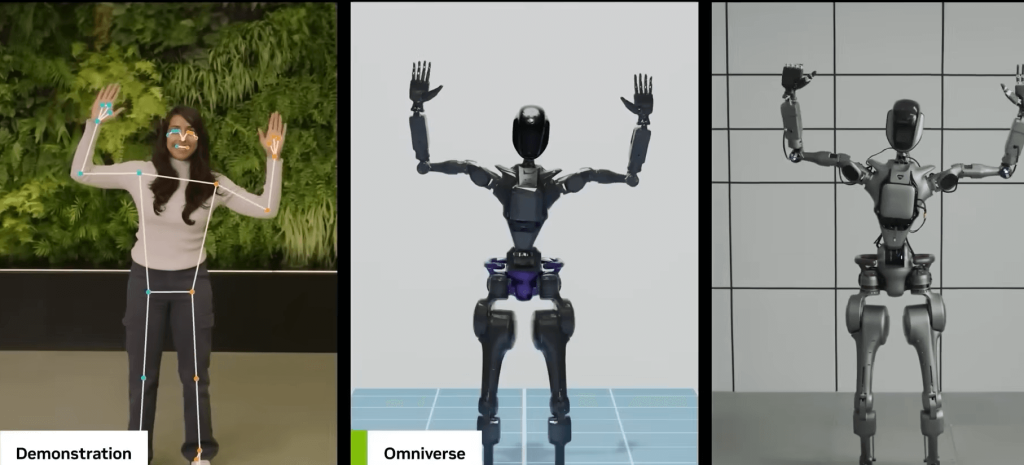
1. Agentic AI: Autonomous Digital Workers Without Explicit Instructions
Unlike traditional chatbots that respond only to direct prompts, Agentic AI systems can independently plan, adapt, and execute multi-step tasks. Leading AI labs are actively testing agent-based systems capable of completing complex workflows such as research, scheduling, data analysis, and decision support.
Industry research indicates that by 2026, AI-driven automation will affect 60–70% of core task components across existing jobs—not by replacing humans, but by taking over repetitive coordination and execution layers, allowing people to focus on strategic and creative work.
Early deployment domains include logistics optimization, clinical decision support, and financial risk management.
2. Bioprinting + Quantum Computing: A Dual Revolution in Medicine and Computing
Two frontier domains are advancing in parallel:
3D bioprinting has reached clinical trial stages for printed skin and tissue structures.
Quantum computing has crossed the 1,000-qubit milestone, enabling exponential performance gains for specific problem classes.
Key Market and Technology Indicators
| Technology | Metric | Projected Value | Timeframe |
|---|---|---|---|
| 3D Bioprinting | Global Market Size | USD 4+ billion | 2027 |
| Quantum Computing | Operational Qubits | 1,000+ qubits | 2024–2026 |
By 2026, bioprinting will transform drug development through printed human tissue testing, while quantum systems will tackle previously unsolvable problems in materials science, molecular simulation, and optimization—together enabling a new era of precision medicine.
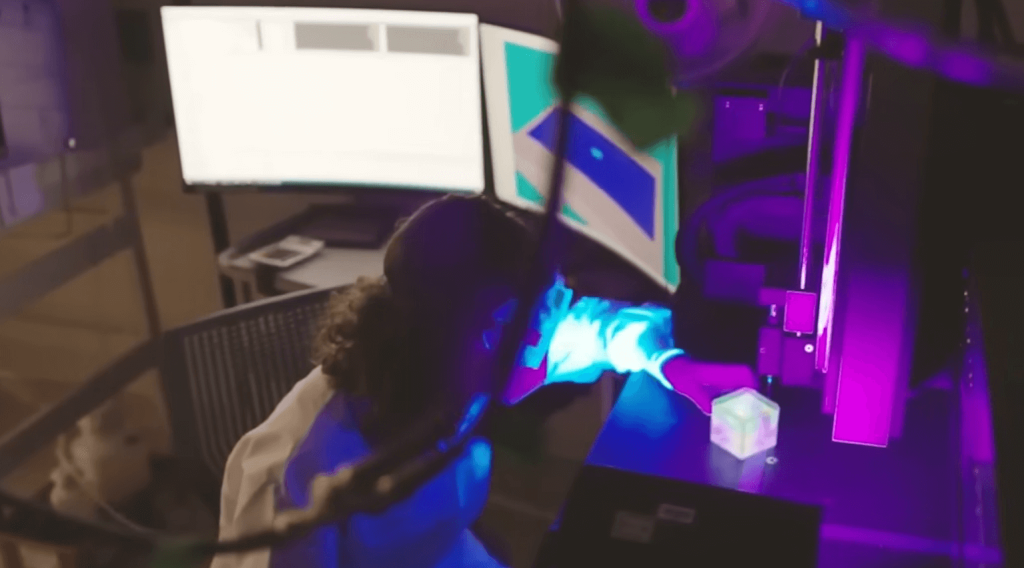
3. AI-Driven Energy Systems: Powering AI with Sustainable Intelligence
The explosive growth of AI compute is dramatically increasing energy demand. Global projections indicate that data center electricity consumption will double by 2026.
At the same time, AI has become a critical tool for energy optimization—reducing cooling costs, balancing renewable power, forecasting demand, and managing storage systems.
Energy Impact Snapshot
| Category | Impact |
|---|---|
| Data Center Energy Use | ~2× increase by 2026 |
| AI-Optimized Cooling | Up to 40% efficiency gains |
By 2026, AI-optimized energy infrastructure will be a foundational requirement for sustainable AI growth.
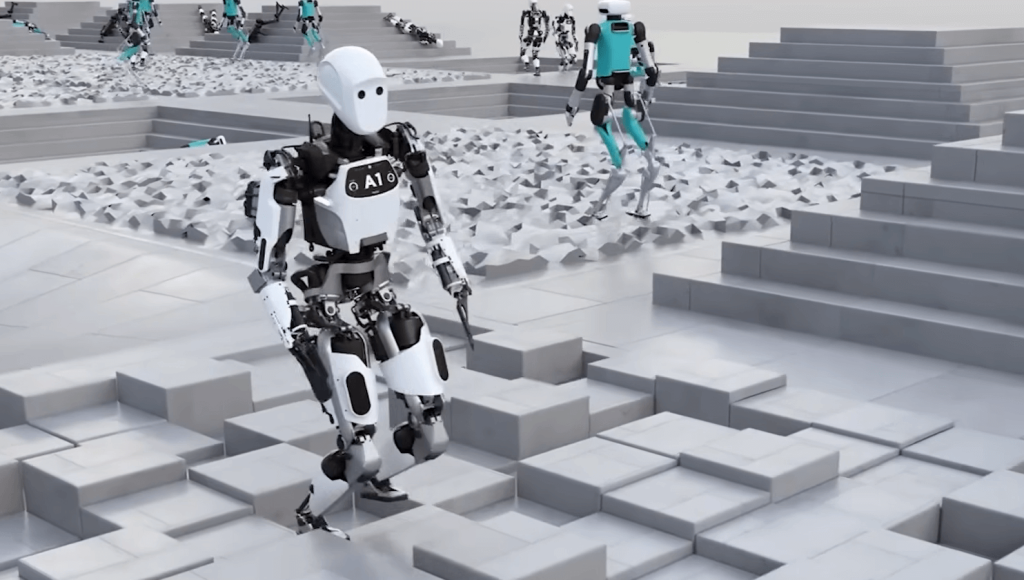
4. Physical AI: Thinking Machines Move Beyond Factory Floors
Robotics is transitioning from rigid, repetitive automation to adaptive, perception-driven physical intelligence.
Autonomous robots are now folding clothing, assisting elderly care, and performing fully autonomous agricultural operations. Market forecasts indicate rapid expansion driven by AI-enabled mobility and reasoning.
| Metric | Value |
|---|---|
| Global Robotics Market | USD 200+ billion by 2030 |
By 2026, physical AI systems will be widely deployed across factories, hospitals, and logistics hubs, performing tasks that require flexibility and contextual awareness.
5. Synthetic Biology + AI: Designing Life at Machine Speed
AI has become a catalyst for synthetic biology, enabling high-precision protein modeling, enzyme design, and genetic optimization.
Drug discovery pipelines using AI-assisted molecular design have already demonstrated 50%+ reductions in development timelines. By 2026, this convergence will expand into agriculture and sustainable materials, including biodegradable plastics and climate-resilient crops.
6. Sovereign AI: National Control Over Digital Intelligence
AI is now a strategic asset tied directly to national digital sovereignty. Governments are investing heavily in domestic AI models, compute infrastructure, and regulatory frameworks to reduce dependency on foreign platforms.
By 2026, localized AI ecosystems will become key geopolitical instruments, shaping economic influence and technological independence.
7. Extended Reality (XR): From Entertainment to Everyday Utility
XR technologies are moving beyond gaming into education, training, retail, and remote collaboration. Immersive simulations are already used for workforce training at scale.
By 2026, XR will enable virtual classrooms, digital product try-ons, and mixed-reality workspaces, seamlessly blending physical and digital experiences.
8. AI-Powered Autonomous Service Robots in Public Spaces
Robots are entering open, unstructured environments such as campuses, warehouses, transit stations, and city streets.
By 2026, service robots equipped with advanced navigation, vision, and decision systems will routinely handle delivery, cleaning, and customer interaction tasks.

9. Smart Infrastructure and IoT 2.0: Cities That Sense and Respond
The Internet of Things is evolving into adaptive urban systems capable of real-time response.
| Indicator | Projection |
|---|---|
| Global IoT Spending | USD 1.6 trillion (2025) |
| Connected Devices | 30+ billion by 2030 |
By 2026, infrastructure will actively adjust lighting, water systems, and traffic flows based on live conditions.
10. AI-Native Infrastructure: Hardware Built for Large Models
Traditional data centers are being replaced by AI-native architectures, optimized for large-scale model training and inference.
From specialized accelerators to AI-optimized networking and storage, this invisible infrastructure layer is the backbone of scalable AI deployment.
11. Collaborative and Multi-Purpose Robots
Collaborative robots are designed for safe human-machine interaction and rapid task switching.
| Metric | Value |
|---|---|
| Installed Collaborative Robots | 75,000+ units (2024) |
12. Privacy-First AI: Intelligence Without Data Exposure
AI is shifting toward on-device and edge execution, reducing reliance on cloud data transfer.
By 2026, privacy-first AI will be standard in mobile healthcare, personal assistants, and consumer devices, offering faster response and full user data control.
13. Vertical AI Agents: Industry-Specific Intelligence
Generic AI models are giving way to domain-specific agents trained on industry data and regulations.
By 2026, specialized AI agents will dominate logistics planning, legal documentation, retail inventory, and compliance workflows.
14. Embedded AI: Intelligence as a Software Default
AI is no longer an add-on—it is becoming the core logic of productivity and creative software.
By 2026, most professional tools will proactively assist users by anticipating intent rather than waiting for commands.
15. Brain-Computer Interfaces: From Therapy to Early Consumer Use
BCI technology has entered human clinical trials, restoring communication and mobility functions.
By 2026, early consumer experiments in gaming and accessibility will emerge, opening the door to thought-based interaction.

16. AI-Native Operating Systems: Conversation as the Interface
Operating systems are being re-architected around natural language interaction and automated workflows.
By 2026, users will complete complex tasks through conversation rather than navigating menus.
17. Hybrid IT and Cloud Repatriation
Rising cloud costs and security concerns are driving a return to hybrid IT architectures.
| Indicator | Value |
|---|---|
| Enterprises Repatriating Workloads | 50%+ (2024) |
By 2026, hybrid IT will be the default enterprise compute strategy.
18. End-to-End AI Workflow Automation
Automation is evolving from task-level scripts to full-process orchestration.
By 2026, AI will manage legal drafting, medical records, and supply chains end-to-end, delivering exponential efficiency gains.
19. Edge Computing and 6G: Ultra-Low-Latency Networks
Edge computing reduces latency by processing data locally, while 6G research targets sub-millisecond responsiveness.
By 2026, edge systems will enable real-time industrial control, while early 6G pilots support immersive XR and autonomous systems.
20. Digital Identity and Decentralized Trust
As AI-generated content proliferates, verifiable digital identity becomes essential.
| Metric | Projection |
|---|---|
| Global Digital Identity Market | USD 7+ billion by 2027 |
By 2026, decentralized identity systems will underpin financial transactions, content authenticity, and public services.
These trends do not evolve in isolation.
Autonomous AI relies on quantum-class compute, XR depends on ultra-fast networks, and digital identity secures the entire ecosystem.
The defining themes of 2026 are convergence and deployment. Each breakthrough triggers cascading effects across industries—collectively shaping a future that is more intelligent, efficient, and inclusive.